NPF-Funded Research
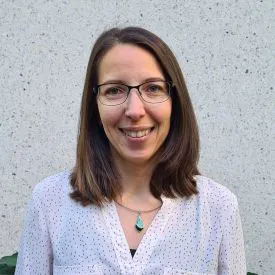
Principal Investigator: Asolina Braun, Ph.D.
Institution: Monash University
Grant Mechanism: R01 Bridge Grant
Funding Amount: $100,000
Project Start Date: October 1, 2026
Project End Date: September 30, 2028
Status: Active
Keywords: Psoriasis, Animal models, Cell biology, Disease etiology, Disease models, Immunology
Project Summary:
Beyond disease control, a cure for psoriasis is on the horizon, contingent upon understanding key trigger antigens. We hypothesize that individuals with the main psoriasis risk gene HLA-Cw6 recognize common peptide antigens presented by HLA-Cw6 to CD8 T cells and that such antigens can be used to induce tolerance. Our past work identified HLA-Cw6 antigens and isolated T cells from psoriasis lesions. This grant aims to link antigen-expanded CD8 T cell receptors to HLA-Cw6 antigens. We will run preliminary tolerance induction experiments in vitro and in our HLA-Cw6 transgenic mouse model. This work aligns with NPF’s mission to cure psoriasis. We are equipped with HLA-Cw6-specific resources and a unique preclinical model to advance this goal.
How will your project help improve the lives of the 125 million affected by psoriatic disease?
Our project aims to expand our understanding of molecular psoriasis triggers, especially in genetically susceptible individuals who are HLA-C*06:02-carriers. Findings from our research will be directly relevant to developing a novel stream of antigen-specific tolerance induction therapies for psoriasis. While current treatments require life-long regular doctor visits, we envisage that antigen-specific induction of tolerance will allow many of the patients to achieve long-term remission and possibly even a cure. A re-education of the immune system towards self-tolerance also bears the potential to change the disease course and avoid co-morbidities such as psoriatic arthritis.
Why is psoriatic disease research important to you, personally? What role will this award play in your research efforts or career development?
I have built up my research group with the main focus of driving meaningful change for psoriasis patients because I have been moved by the lived experiences of a number of my students who either have psoriasis themselves or live with family members with psoriasis. As a skin immunologist with expertise in tissue-resident memory T cells and immunopeptidomics, I feel that helping patients achieve the high stake goal of a cure is the best use of my abilities and skill set. The generous Bridge Grant from NPF allows me to keep momentum in my project, securing an upward career trajectory and allowing me to concentrate my efforts and time on speedily narrowing down the best therapeutic targets for antigen-specific induction of tolerance.
Researcher Profile:
Asolina Braun leads the Skin Immunology Group in the Department of Biochemistry and Molecular Biology at Monash University. She obtained a PhD in Infection Biology by establishing a novel intralymphatic injection technique to track how immune cells migrate from the periphery to the draining lymph nodes. During postdoctoral studies, she developed a keen interest in skin-resident CD8+ memory T cells (TRM) and immunopeptidomics. Now, Dr. Braun’s group combines mass spectrometry-based antigen discovery approaches with TRM biology research to gain a better understanding of the antigen-specific mechanisms that shape tolerance, with a focus on skin immunity and autoimmune diseases
Impact of NPF-Funded Research
The NPF has awarded over $30 million in research funding in recent years, with immeasurable impact on our community.
Read more
We Need Your Help
With your gift we can fund even more research to get better treatment and diagnostic options and someday, a cure.
Help fund critical research
NPF-Funded Research
Discover our other active research projects.
Learn more