NPF-Funded Research
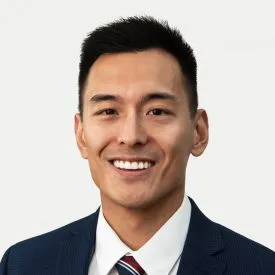
Principal Investigator: Leo Wang, M.D., Ph.D.
Institution: University of Pennsylvania, Perelman School of Medicine
Grant Mechanism: Translational Grant
Funding Amount: $75,000
Project Start Date: October 1, 2026
Project End Date: September 30, 2027
Status: Active
Keywords: Psoriasis, Animal models, Disease models, Drug therapy, Immunology, Inflammation
Project Summary:
Psoriasis happens when overactive immune cells in the skin drive inflammation. This proposal studies a new injectable gel in the skin to rebalance the immune system in the skin by stimulating a population of anti-inflammatory cells (regulatory T cells). In this proposal, we will engineer the gel and tune how it releases two therapeutics that have synergistic effects in converting T cells into regulatory T cells. If successful, this study could lead to local, longer-lasting psoriasis treatment with fewer side effects.
How will your project help improve the lives of the 125 million affected by psoriatic disease?
If successful, an office-based, intralesional hydrogel injection for psoriasis could complement existing systemic agents, offer a practical option for difficult-to-control localized disease, and create opportunities for more individualized immunomodulatory treatments. Because T-regs persist in the skin for years, this proposal will generate actionable preclinical evidence that can de-risk subsequent human studies and bring the field closer to durable remission or cure.
Why is psoriatic disease research important to you, personally? What role will this award play in your research efforts or career development?
As a dermatologist, I have cared for countless patients with psoriasis and seen firsthand the psychosocial distress and serious systemic comorbidities that make this disease so difficult to live with and to treat. Because some areas are so refractory to treatment and relapse can occur quickly after stopping it, I am motivated to develop local treatments that achieve durable remission. This award lets me pivot my lab and research effort specifically toward psoriasis, building on the large cohort of psoriasis patients I already treat and my relationship with my mentor, Dr. Joel Gelfand, who is personally invested in my success.
Researcher Profile:
Dr. Leo Wang is a physician-scientist, board-certified dermatologist, and bioengineer at the University of Pennsylvania, where he is tenure-track faculty and Assistant Professor of Dermatology and Bioengineering. Dr. Wang is PI of the Wang Dermatologic Bioengineering Laboratory, focused on engineering therapeutics and diagnostics for dermatologic disease, spanning skin immunology, materials science, polymer chemistry, polymer-drug conjugates, drug delivery, and drug development. Clinically, he specializes in inflammatory skin diseases and has taken care of hundreds of psoriasis patients. He has published 60 peer-reviewed research articles, with work appearing in high-profile journals including Nature, Nature Biomedical Engineering, Journal of Controlled Release, Advanced Healthcare Materials, JAMA Dermatology, Journal of the American Academy of Dermatology, and British Journal of Dermatology.
Impact of NPF-Funded Research
The NPF has awarded over $30 million in research funding in recent years, with immeasurable impact on our community.
Read more
We Need Your Help
With your gift we can fund even more research to get better treatment and diagnostic options and someday, a cure.
Help fund critical research
NPF-Funded Research
Discover our other active research projects.
Learn more