NPF-Funded Research
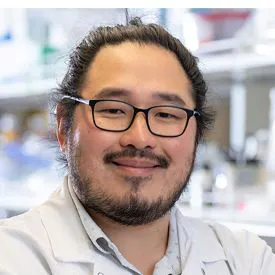
Principal Investigator: Patrick Mitchell, Ph.D.
Institution: University of Washington
Grant Mechanism: Discovery Grant
Funding Amount: $75,000
Project Start Date: October 1, 2026
Project End Date: September 30, 2028
Status: Active
Keywords: Psoriasis, Psoriatic arthritis, Disease etiology, Disease models, Genetics, Immunology, Inflammation
Project Summary:
Psoriasis is an inflammatory disease that primarily affects the skin. However, the mechanisms that initiate psoriatic inflammation remain incompletely understood, an important hurdle to a psoriasis cure. Here, we propose that the NLRP1 inflammasome—an immune complex that can initiate skin inflammation—is a driver of psoriasis. We have identified a novel pathway of NLRP1 activation, which excitingly, provides a molecular rationale for how several psoriasis-associated gene variants and environmental stimuli (e.g., microbial infection) trigger NLRP1-mediated inflammation. This proposal tests NLRP1’s contribution to psoriatic inflammation in skin epithelial cells (i.e., keratinocytes), which may inform novel therapeutics.
How will your project help improve the lives of the 125 million affected by psoriatic disease?
A detailed mechanistic understanding of the genetic and molecular events that initiate psoriatic inflammation is required to identify rationalized drug targets and develop new therapies. Our work is motivated by these unmet needs, aimed at defining the mechanistic basis by which diverse genetic and microbial drivers of psoriatic inflammation trigger NLRP1 inflammasome activation, representing a critical hub that can be translationally modulated to improve the lives of people living with psoriatic disease.
Why is psoriatic disease research important to you, personally? What role will this award play in your research efforts or career development?
The central focus of my research program is to understand the mechanistic basis by which host cells recognize and respond to infectious threats. However, the fundamental processes that underlie inflammatory responses in the context of infectious disease also contribute to autoinflammation. As an early career scientist, I am thrilled for this opportunity to apply our mechanistic studies to translational applications. Few professional achievements would be more fulfilling than seeing our mechanistic discoveries translate into a positive impact on people's health and well-being.
Researcher Profile:
Patrick Mitchell, PhD, is an Assistant Professor in the Department of Microbiology, Adjunct Assistant Professor in the Department of Immunology, and Freeman Hrabowski Scholar of the Howard Hughes Medical Institute at the University of Washington, School of Medicine. The Mitchell lab is broadly interested in host-pathogen interactions, with a particular focus on effector-triggered immunity—a form of innate immune recognition that is induced by the detection of pathogen virulence factor activities. Members of the Mitchell lab are exploring the mechanisms and functional consequences of effector-triggered immunity in host defense, pathogenesis, and autoinflammatory disease.
Impact of NPF-Funded Research
The NPF has awarded over $30 million in research funding in recent years, with immeasurable impact on our community.
Read more
We Need Your Help
With your gift we can fund even more research to get better treatment and diagnostic options and someday, a cure.
Help fund critical research
NPF-Funded Research
Discover our other active research projects.
Learn more